Announcements
Energy and Climate Law Scholars
PECC is pleased to introduce the newest group of Energy and Climate Scholars!
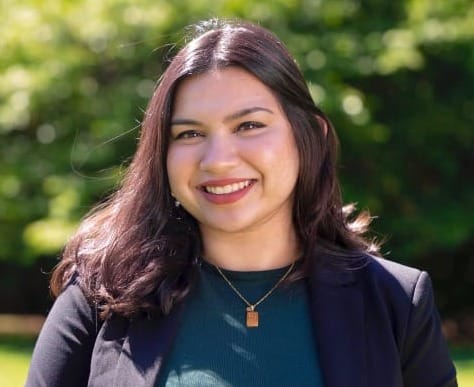
Ayman Irfan Pace | Haub Law SJD ‘27 is a Pakistani lawyer pursuing a Doctor of Juridical Science in Environmental Law, where her research focuses on protecting marine ecosystems in international waters. She previously earned her LL.M. in Environmental, Energy, and Natural Resources Law from Lewis & Clark Law School. She is passionate about marine conservation and works to strengthen legal protections for ocean ecosystems through new governance and policy solutions.

Jack Finn Pace | Haub Law ’26 graduated from Siena University with a B.A. in Economics and minors in Environmental Studies and Political Science. His experience includes work with government agencies, including the U.S. EPA, NYS Department of Public Service, and the NYS Office of the Attorney General. He is committed to advancing renewable energy deployment and reducing GHG emissions through market-based solutions.

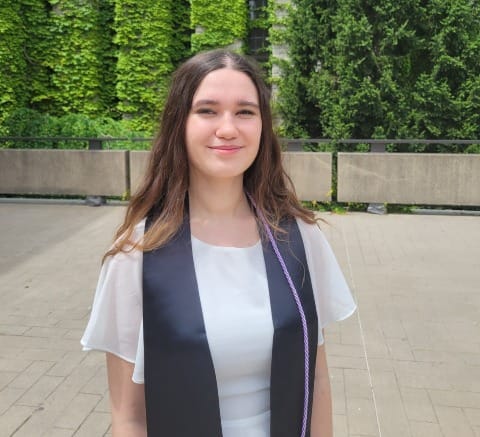
Laila Greene Pace | Haub Law '27 is a University of Maryland graduate, where she studied cultural anthropology, environmental science, and policy. She has strong interests in environmental justice and energy justice, with aspirations to work at the intersection of civil rights and environmental litigation, advancing equitable access to natural resources and environmental joy.
Joann Lenart Pace | Haub Law '27 is originally from Chicago, IL, where she graduated from Northwestern University with a background in political science and legal studies. She is interested in the overlap of conservation and renewable energy expansion, as well as advancing environmental justice.

Stephen Badea Pace | Haub Law ’28 is a former paralegal from Tampa, Florida. He received his bachelor’s degrees in Political Science and Linguistics from the University of Florida. He believes in the need for bold international climate action and is interested in utilizing both domestic and international legal frameworks to facilitate a just transition to an energy system no longer dependent on fossil fuels.

Kaden Bosquez Pace | Haub Law ‘28 received his bachelor’s degree in political science and strategic communications from the University of Wisconsin. He previously worked as a public affairs advisor in the renewable energy sector and his studies focus on energy reliability and wind, solar, and nuclear adoption.

Isabela Vasconcelos Chelou Pace | Haub Law LL.M. ‘26 is a Brazilian lawyer pursuing dual LL.M. degrees in comparative legal studies and environmental law at Haub Law with a focus on energy and climate change. She previously practiced civil litigation in Brazil and now serves as a Research Assistant at the Global Center for Environmental Legal Studies.

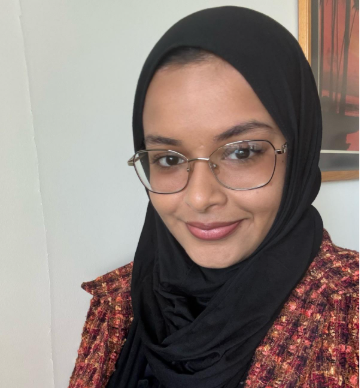
Tamika Thomas-Murray Pace | Haub Law ‘26 is pursuing an Advanced Certificate in Environmental Law. She is an educator, mentor, and co-founder whose journey has been dedicated to advancing environmental and disability justice through the integration of law and education. Tamika’s work and research are just beginning as she provides disadvantaged communities with fair legal energy and climate policy solutions.
Samirah Aziz Pace | Haub Law ‘26 is a proud New Yorker and aspires to give back to her home through environmental policy, municipal law, and alternative dispute resolution following law school. She won the Pace Energy and Climate Center’s Fall 2025 Writing Competition for her article, “New York Renewable Energy Storage: Futuristic Success or Ongoing Injustice?”

Sophie Bacas Pace | Haub Law ‘26 is active in several environmental roles. In addition to her work as an Energy & Climate Law Scholar, she is also a Productions Editor for the Pace Environmental Law Review, a Director of Moot Skills for the Pace Advocacy Program, and an active member of the Pace National Moot Court Team and the Pace International Criminal Moot Court Team. She enjoys partaking in oral advocacy and climate change research.

Hannah Frizzell Pace | Haub Law ‘27 is originally from Pittsburgh, PA, where she graduated from the University of Pittsburgh at Johnstown. She has a strong interest in advancing equitable policy solutions that support the transition to clean energy in communities that are historically dependent on fossil fuel industries.
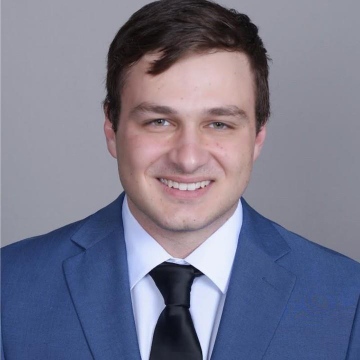
Thomas Glawson Pace | Haub Law ‘27 grew up in Toms River, NJ and graduated from Rutgers University, New Brunswick. He has a strong interest in energy and natural resources law and hopes to work on public policy related to nuclear energy expansion in the United States.
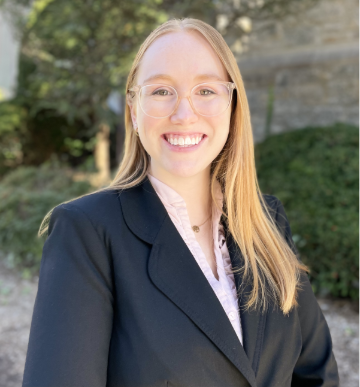
Ashley Hipnar Pace | Haub Law; MEM, Yale University ‘28 has a background in environmental science and global resource systems from Iowa State University. She aims to learn more about how the law can advance innovation while protecting the environment in Pittsburgh, PA.

Frank Anthony Mattimoe Pace | Haub Law ‘28 received his bachelor’s degree in political science and Chinese language from NYU Shanghai and joint master's degrees in Russian and Eurasian studies from the University of Glasgow, the University of Tartu, and KIMEP University. His studies focus on nuclear energy adoption and the green energy transition.

Kyle Shepherd Pace | Haub Law ‘28 is a graduate of Yale University. He is committed to exploring how energy policy shapes sustainable business practices and pursuing an equitable climate future for all.
Pace Energy and Climate Center 2025–26 Executive Board
The Pace Energy and Climate Center (“PECC") is thrilled to announce the 2025–26 Executive Board, which is comprised of three exceptional Elisabeth Haub School of Law at Pace University students committed to advancing PECC’s mission and outreach.
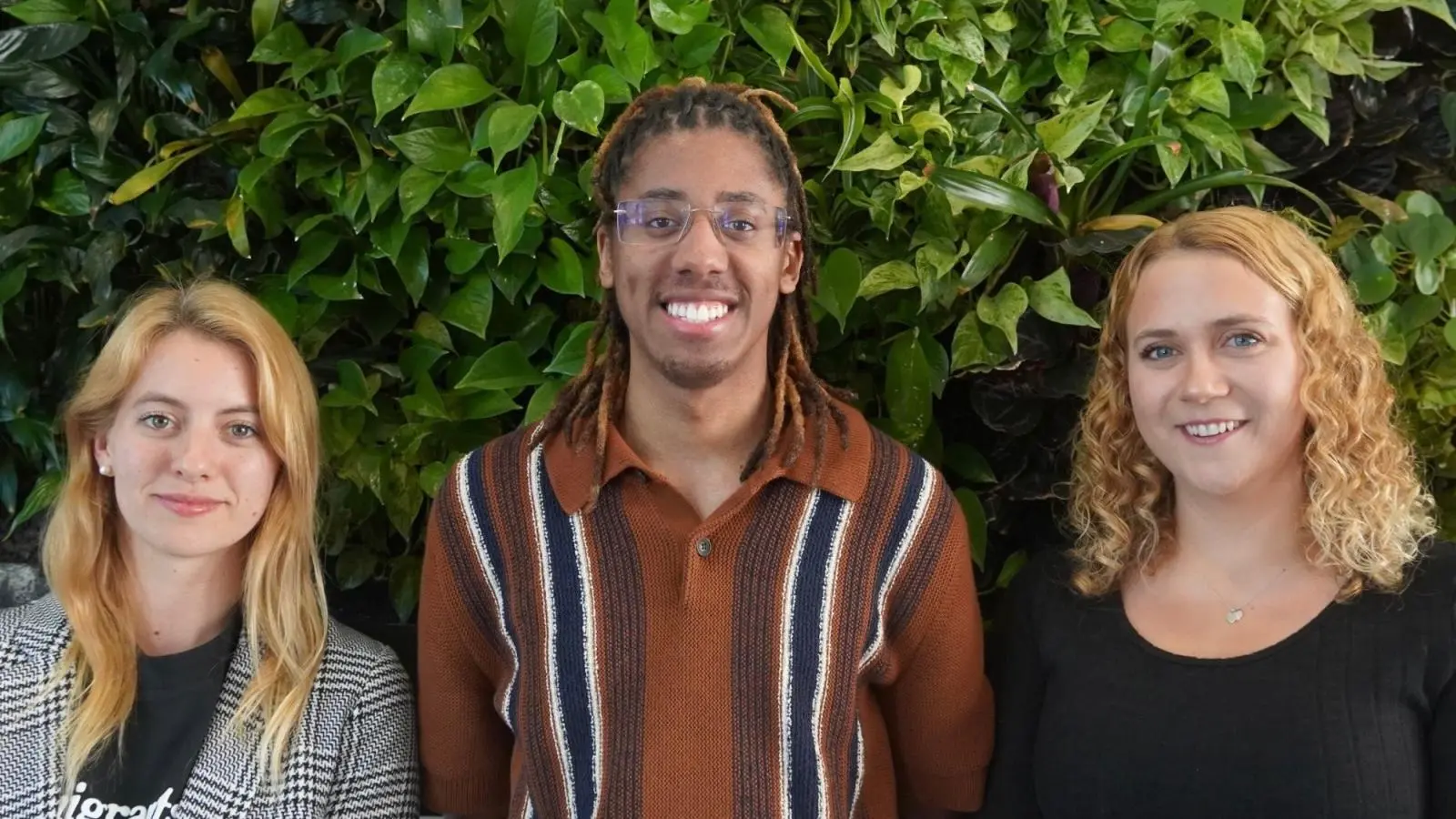
K. Frances Gothard ‘26 brings a valuable global perspective to energy and environmental law, informed by her background in International Studies and diverse experience. At Pace | Haub Law, she has served as Co-Chair of the New Directions in Environmental Law Conference ("NDEL"), Vice President of the Environmental Law Society ("ELS"), and as a research assistant focusing on natural resource law and policy. Frances completed an externship with Consolidated Edison Company of New York’s Energy and Environmental Law Department and currently practices as a student attorney in the Food and Farm Business Law Clinic, working with local small businesses and nonprofit organizations. She also serves as an editor for the national law journal The Urban Lawyer. Looking ahead, Frances is dedicated to elevating international perspectives on energy, food systems, and environmental policy to advance equitable and sustainable energy and climate solutions.
Carington Lowe ‘26 has a background in science which allows her to bring an interdisciplinary approach to energy and environmental law. At Pace | Haub Law, she serves as Co-Editor-in-Chief of the Pace Environmental Law Review and as a Sustainable Business Law Hub Scholar. She has also gained hands-on experience through an externship with the Land Use Law Center, practiced as a student attorney in the Food and Farm Business Law Clinic, and contributed to research on climate-conscious affordable housing. These experiences have shaped her commitment to advancing renewable energy transitions. Looking forward, Carington’s focus is on biofuel, nuclear energy, and identifying climate harm, with the goal of bridging science, technology, and policy to build a more equitable and sustainable energy future.
Kenneth Sumter ’26 is a creative professional driven by a deep passion for renewable energy. With a unique eye for design and storytelling, he channels his creativity into advancing clean energy solutions that connect people, places, and purpose. At PECC, his research this academic year focuses on reimagining urban battery storage to build a sustainable infrastructure dedicated to creating resilient cities and making affordable, reliable energy a reality for urban neighborhoods.
Under new leadership from its Executive Director Michael Hamersky and the ongoing expertise of Energy Policy Advisor Emma Lagle, PECC is driving innovative energy and environmental initiatives to tackle the planet’s most pressing climate and energy challenges. Student involvement is at the core of PECC, which is committed to an open-door policy that encourages all Pace Haub Law students to engage with the Center by getting involved in projects that spark their interest. Students will also be selected to serve as the Center's Energy and Climate Law Scholars and contribute to research, legal scholarship, and hands-on projects across the diverse initiatives of PECC. The Energy and Climate Law Scholars also have the opportunity to have their writing featured in the Center's newsletter R.E.A.C.T. by PECC.
PECC also hosts student interns and externs, including Mercè Martí I Exposito LLM ‘26, Joseph Mayson LLM ‘26, and Clara Cusanelli ‘27, who are assisting with PECC’s innovative work on thermal energy networks, research related to sustainable biofuels, and international issues that PECC will address at IUCN and COP30.
PECC Fellow Pioneers a Sustainability Law Center
By: Akinola Afolarin | June 16, 2025
Akinola Afolarin, a Fellow of the Institute for Energy Democracy at the Pace Energy and Climate Center has led a group of sustainability experts to launch the Center for Global Sustainability Law (CGSL), an interdisciplinary research and policy Center that focuses on the intersection between law and sustainability, by expounding on the critical role of law and emerging regulations in advancing a sustainable future that leaves no one behind. According to Akinola, the establishment of the Center is imperative to employ the instrumentality of law to advance global sustainability. Speaking further, he states that “our world faces a wide range of challenges that cut across environmental, social and economic issues. In addressing these challenges, we have over the years emphasized the finance and the scientific sides of sustainability, while less attention is paid to the legal framework needed to propel the efforts being made to address the problems.”
When asked about how the current political climate might be impacting climate and sustainability efforts, Akinola opined that “notwithstanding the current political climate in some countries which might have resulted in some organizations scaling back on their climate-related targets, we must constantly be reminded that the goal of a sustainable world transcends climate change. Even more critical is the fact that the challenges that our world is daily confronted with, cannot be wished away on the altar of the political disposition of any government. Governments are transient but sustainability problems could last for generations, and even worsen. Therefore, as these challenges increase, so must our collective response be intensified. This is why CGSL is here.”
You can learn more about CGSL at: www.cgsul.org
Email: info@cgsul.org
LinkedIn: Center for Global Sustainability Law
We wish Akinola and his team success as they embark on this critical and impact-driven journey.
Forward-Thinking Environmental Leader Michael Hamersky Appointed Executive Director of Pace Energy and Climate Center
By: Jessica Dubuss | June 13, 2025
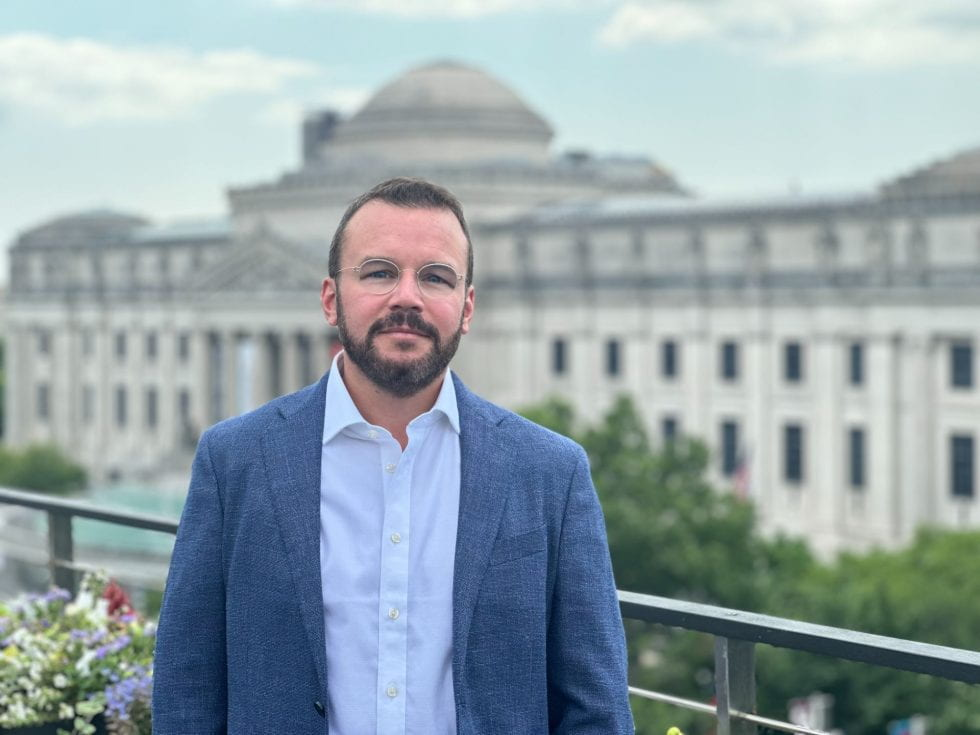
The Elisabeth Haub School of Law at Pace University is pleased to announce that Michael Hamersky was appointed to serve as the Executive Director of the Pace Energy and Climate Center. In addition to leading the Center, he will teach Natural Resources Law at the Law School. Over nearly four decades, the Pace Energy and Climate Center has established itself as a national leader working at the intersection of energy and the environment.
Prior to this role, Michael served as the Climate Change and Land Use Policy Fellow at Pace Haub Law where he developed policy solutions related to climate change mitigation, clean energy deployment, sustainable development, and renewable energy incentive structures. Michael has also produced scholarship related to conservation in Indigenous communities and ocean governance.
“During his time at the Law School, first as an LLM student, and more recently as a Climate Change and Land Use Policy Fellow, Michael has established himself as a forward-thinking leader in the field of environmental law,” said Dean Horace E. Anderson Jr. “Our Pace Energy and Climate Center has established itself as a trusted Center and thought-leader, frequently engaging government decision makers and key stakeholders with objective research and analysis in law and policy. I am confident that with Michael serving as the Executive Director of the Center, our Center will continue to serve as a model and leader in the field.”
“I am beyond excited to join Pace Haub Law in this new capacity,” stated Michael. “I look forward to using this new platform to highlight the incredible work of the number one environmental law program in the nation’s talented students and to prioritize the Pace Energy and Climate Center’s work on the clean energy transition and the impact such transition will have on vulnerable communities.” Prior to joining the Haub Law community, Michael practiced corporate restructuring litigation for over fifteen years in New York City, and was an adjunct professor at the Fordham University School of Law. He received his JD from Fordham University School of Law and his LLM in Environmental Studies from the Elisabeth Haub School of Law at Pace University, with a focus on Energy Law and Climate Change.
Over time, the Pace Energy and Climate Center has grown from its initial focus on energy regulatory law and policies, expanding its focus to encompass transportation and fuels as well as climate change mitigation and resilience. Through the analysis and advancement of critical policies engineered to improve energy efficiency, accelerate renewable energy and distributed generation, reduce greenhouse gas emissions, and make our communities more resilient in the face of climate change impacts, the Center has continually reconfirmed its position at the leading edge of finding solutions to our energy and climate challenges on the local, state, regional, national, and international levels.
The Pace Energy and Climate Center was founded in 1987 as the Pace Energy Project by Dean Emeritus Richard L. Ottinger upon his retirement from the US Congress. Dean Ottinger recognized early on the significant environmental impacts of our supply and use of energy in the United States. From the very beginning, under Dean Ottinger’s leadership, the Center provided cutting-edge research and analysis of energy production alternatives’ social and environmental costs and benefits. Through careful and consistent engagement across communities, the Center was among the first organizations to highlight the benefits of energy efficiency and renewable energy as alternatives to conventional electricity generation.
In addition to being a force for legal and policy change, the Center also trains the next generation of smart energy leaders. Students from the Elisabeth Haub School of Law at Pace University are actively involved in the Center’s projects. Haub Law student interns contribute directly to the creation and development of work products for both domestic and international projects, building important professional skills in policy analysis, legal writing, administrative practice related to electric utility law, and other areas related to energy law.
Students who participate in the Center’s work have gone on to careers at institutions central to the energy discussion, such as the Federal Energy Regulatory Commission, the US Environmental Protection Agency, the Energy Foundation, the California Independent System Operator, New York State Energy Research and Development Authority, the New York Power Authority, the New York Public Service Commission, and the New York Independent System Operator, to name a handful.
Prior to Michael’s appointment, Elisabeth Haub School of Law Adjunct Professor Joseph Siegel served as interim Executive Director of the Pace Energy and Climate Center. Previously, Joe worked for 38 years at the U.S. Environmental Protection Agency, Region 2, office in New York where he was a Senior Attorney, co-chaired the Region 2 Climate Change Workgroup and the Office of Regional Counsel’s Climate Change Workgroup, managed the Region 2 Environmental Collaboration and Conflict Resolution program, and served on the Steering Committee of the Mid-Atlantic Federal Climate Partners.
Past Projects
Pace Energy and Climate Center Advances District Geothermal Energy through Issuance of Regulatory Reviews for Feasibility Study Reports
By: Elizabeth Wescoe | April 22, 2025
Since 2021, the Pace Energy and Climate Center (the Center) has issued 10 regulatory and permitting reviews for feasibility studies developed by Endurant Energy, a leading distributed energy infrastructure developer, in support of thermal energy network (TEN) projects. The Center’s regulatory and permitting reviews advise the developer on how to establish district geothermal energy systems while navigating a complex legal system. Geothermal energy technologies produce heating and cooling for buildings by using a heat transfer system that absorbs thermal energy from the Earth’s subsurface, sewer systems, or surface water.[1]
The Center hopes that its participation in TEN feasibility studies will contribute to the advancement of thermal technologies as an important renewable energy source. The Center’s first nine regulatory and permitting reviews assessed sites in New York State. The latest report, which was finished in January 2025, looks beyond New York State borders and into the Western United States. This expansion represents the technology’s growth in popularity, as well as the Center’s success in aiding developers in building advanced, clean energy infrastructure.
In New York, the feasibility study reports have supported projects that were made possible through the New York State Energy Research and Development Authority (NYSERDA) via the closed Community Heat Pump Systems program (PON 4614).[2] The program has provided funding to “over 50 project sites, that have explored a wide range of technical solutions and business models for thermal energy networks.”[3] Each report has assessed the site’s areas of concern, applicable statutes and permitting requirements, anticipated challenges, potential business models, recommended steps, and authorities with jurisdiction over the project. The reports also address the challenges faced by developers, considering that regulations in New York State are in development.
The Center’s reports have contributed to New York district geothermal projects in Erie County (Silo City), the Bronx (the Peninsula), Queens (Innovation QNS), New Rochelle (Pratt Landing), Flushing Bay (Willets Point), Gowanus, Brooklyn (Gowanus Green), East New York, Brooklyn (Spring Creek Towers), Long Island City (Ravenswood), and Mount Vernon (20 South 2nd Square). With each of these locations came varying local ordinances, policies, and geographic hurdles, making each analysis unique to the area.
The Center’s most recent work is in support of a project site located in the Western United States. This location has a completely different set of applicable state and local laws, most of which focus on the conservation of water in an arid environment. The Center conducted a structured assessment of the Western site akin to its work on the New York projects, by looking at key issues with the location, environmental regulations, recommended steps, and jurisdictional authorities. Unlike New York, the Western State does have some regulation regarding geothermal energy, but it still lacks a comprehensive set of laws to guide developers, making the Center’s feasibility study report an important contribution to the geothermal project.
The Pace Energy and Climate Center’s work on these studies, in collaboration with Endurant Energy has helped to advance the development of district geothermal energy projects by addressing complex regulatory and site-specific issues. The Center’s contribution is particularly important given potential future changes to the regulatory environment for these geothermal projects.
[1] NYSERDA, Overcoming Legal and Regulatory Barriers to District Geothermal in New York State, Final Report (2021).
[2] Community Heat Pump Systems (PON 4614) Projects, https://www.nyserda.ny.gov/All-Programs/Large-Scale-Thermal/Winners (last visited Mar. 8, 2025).
[3] Id.
A Framework for Municipality-Driven Thermal Energy Networks: The Future of Sustainable Heating and Cooling
By: Tamika Thomas | April 22, 2025
Going Green with a Charrette
The Pace Energy and Climate Center (PECC), in partnership with the New York State Energy Research and Development Authority (NYSERDA), recently conducted the New York State Thermal Energy Network (TEN) Charrette. The Charette included thirteen (13) workshops with municipalities that addressed topics ranging from the introduction of TEN system technologies to potential business models for TENs that New York State municipalities should consider.
These workshops began in April 2023 and focused on fostering dialogues aimed at developing a shared set of ideas regarding regulatory planning, business model development, and workforce participation. The series of workshops continued until October 2024, engaging participants that included municipal council members, mayors and supervisors, engineers, sustainability directors, and project managers with expert presentations and discussions on what is necessary to facilitate geothermal energy projects at scale. The cooperative approach of this initiative was rooted in the municipalities’ interest in pursuing low-carbon heating and cooling solutions that would offer equitable energy solutions and take advantage of the place-based nature of the technology.
NYSERDA and PECC will produce a Municipal Reference Manual on Thermal Energy Networks to carry forward the lessons learned from the process and sessions to help local governments promote district thermal systems.
Thermal Energy Networks
TENs are large-scale thermal energy systems that use heat pumps to exchange thermal energy between one or more buildings and thermal resources like the ground, surface water, wastewater, and waste heat to provide heating, cooling, and hot water.. They serve as a renewable energy source with the potential to function effectively as a connected heating and cooling system, providing numerous significant benefits. Commonly implemented internationally and by many college, hospital, and institutional campuses across the U.S., these systems can significantly reduce fossil fuel consumption, decrease financial burdens on consumers, and boost community resilience.
The Municipal Reference Manual on Thermal Energy Networks that PECC is drafting in cooperation with NYSERDA will help advance TENs across New York State.
Further Thermal Energy Roll Out
TENs are currently governed by various existing regulatory frameworks, as discussed in the forthcoming Municipal Reference Manual. Municipalities hold the authority to regulate land use, including zoning and permits for geothermal systems. This allows them to incorporate environmental standards and identify potential barriers to implementing TENs. Furthermore, municipalities can define TENs within their zoning codes to promote public land use for TENs development.
The Municipal Reference Manual, being developed by PECC in collaboration with NYSERDA, will also present potential business models for TENs. These models were shaped through rigorous stakeholder engagement and start to highlight differences in financial benefits and outline operational responsibilities. Each business model presents distinct advantages and challenges while being designed to foster economic growth opportunities and enhance community workforce engagement. The business models have the potential to offer municipalities varying ownership structures, from control over system planning to governance, while supporting equitable consumer costs and alleviating energy-burdened communities of inequities.
Collaboration with non-profit organizations is another option, providing benefits such as tax-exempt status, transparency in competitive bidding, and a cost-effective procurement process that benefits buyers and sellers. Engaging private entities, local development corporations, and municipalities is another model that reduces a municipality’s financial burden while increasing access to federal and state incentives. By aligning operational capacity – resources, infrastructure, expertise, and processes – with local clean energy goals, municipalities can effectively integrate TENs into their long-term sustainability framework and planning. Thermal Energy Networks have potential to support a clean, resilient, and energy-efficient future by factoring regulatory approaches into an operational model that aligns with community needs.
Through initiatives like the Charrette, PECC supports municipalities in navigating regulatory landscapes and adopting innovative thermal energy solutions. The Charrette process prioritized listening to the voices of municipal stakeholders to help address their needs and enable their support of thermal energy solutions in their community. The nearly two-year process helped identify barriers, such as funding limitations and policy constraints, while considering the expectations of the municipalities. The roles of PECC and NYSERDA in implementing sustainable thermal energy will foster a cleaner, more equitable, and energy-efficient community rooted in collaboratively driven solutions.
Pace Energy and Climate Center Supports Development of Code for Geothermal Energy Systems
By: Akinola Afolarin | March 21, 2025
In the summer of 2024, the Pace Energy and Climate Center at the Elisabeth Haub School of Law, Pace University (the Center), and the International Association of Plumbing and Mechanical Officials (IAPMO), jointly published Chapter 17 of the Uniform Mechanical Code (UMC) as a standalone document (IAPMO/UMC/Chapter 17-2024). This document is intended to address the critical need for enforceable safety provisions for geothermal district ambient temperature loop systems and draws upon the Center’s expertise in geothermal energy systems.
This version of Chapter 17 follows the 2024 edition of the Uniform Mechanical Code (Chapter 17) and may be used in any jurisdiction seeking to adopt standards for geothermal energy systems and ambient temperature loops. These systems include district-wide geothermal energy systems and district ambient temperature loop systems that circulate ground-ambient-temperature water to be used in end-use buildings as a thermal source or sink, via water source heat pump or reversing chiller. In addition, this Standard also addresses many critical issues in geothermal energy systems and ambient temperature loops such as Specific System Components Design, Ground-Heat Exchanger Testing, Geothermal Ambient Temperature Loops (ATL), and ATL Distributed Energy Systems Design Requirements as well as other design requirements.
References to chapters of the 2024 Uniform Mechanical Code have been written to refer to the corresponding code as adopted by the local jurisdiction. Accordingly, this document can be considered for integration into local codes based on any of the model codes commonly adopted by local jurisdictions in the United States and other countries. Sample legislation included in the document recommends that jurisdictions wishing to adopt Chapter 17 of the Uniform Mechanical Code as an enforceable regulation governing plumbing systems by reference should include in their ordinance the legal basis for adoption and implementation of the Chapter.
While speaking on this joint effort, the CEO of IAPMO, Dave Viola, had this to say: “With the Pace Energy and Climate Center’s long history of focusing on renewable energy and decarbonization, along with IAPMO’s leadership in the geothermal district systems with its consensus-based Uniform Mechanical Code, this joint effort greatly strengthens our industry,”
Former Executive Director of the Pace Energy and Climate Center, Craig Hart, who led the Center’s collaboration with IAPMO, stated that “IAPMO’s leadership in standards development for district geothermal systems meets an urgent need among municipalities seeking to accelerate the adoption of clean heating and cooling technologies, and Pace is very happy to support IAPMO in developing a standard that can support those municipalities.”
Pace Energy and Climate Center is excited to have collaborated with IAPMO on this project in continuation of its research and development of much-needed policy solutions to climate and energy crises around the world.